If your small business doesn’t have customers, it will fail

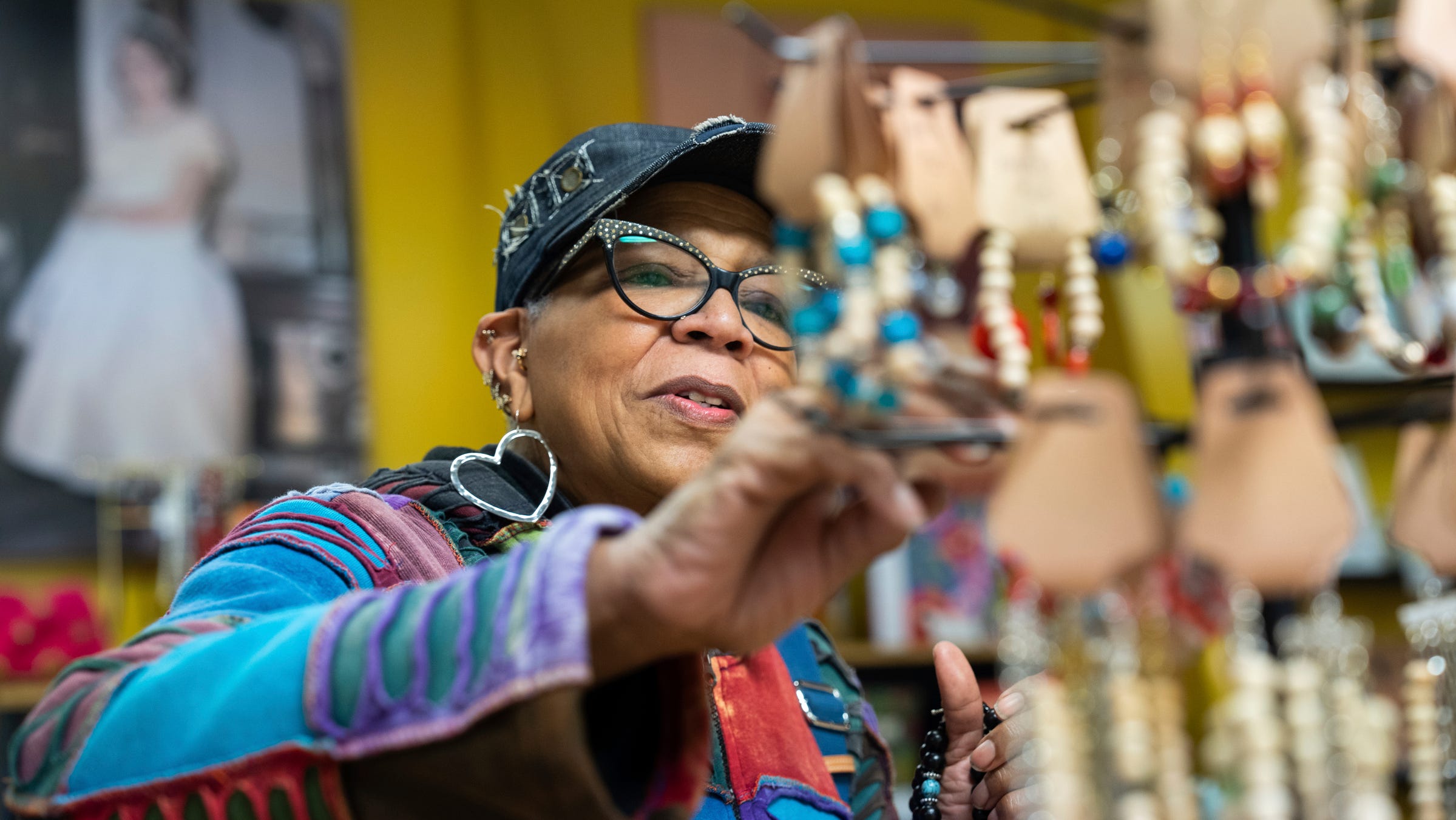

The impact of Small Business Saturday in Michigan
For every $100 spent at a local business, roughly $68 stays in the local economy, according to Governor Whitmer’s office.
Some years ago, I stepped into a new shop in Detroit’s Midtown area, and immediately sensed that this business wasn’t going to make it.
There were few customers about. The arrangement of space seemed inefficient. The owner behind the counter lacked the eye-of-the-tiger intensity many successful startup owners show. And indeed, the shop closed before too long.
Since about the year 2000, Detroit, once dominated by the biggest industrial corporations in the world, has striven mightily to create an ecosystem for entrepreneurs.
And from nothing at all, Detroit now offers two major startup training centers ― TechTown at Wayne State and Newlab in Ford’s Michigan Central Station campus ― plus a large and growing bevy of investment firms looking to place venture capital. In this new ecosystem, hundreds of Detroit startup firms have sprouted where once there were few, if any.
But the recently announced decision by noted Detroit bakery Sister Pie, at 8066 Kercheval Ave. in the city’s West Village district, to close for a time due to business difficulties, shows how tough the entrepreneurial road remains.
Au revoir, Sister Pie
If a startup as popular, celebrated and creative as Sister Pie can hit the wall, what does that say about the road for entrepreneurs who lack even those qualities?
Lisa Ludwinski, the award-winning founder of Sister Pie, posted on Facebook that she needed time to reassess where her business is going before reopening. “As a business owner and a leader, I’m learning, reminiscing, mourning, growing, and searching for hope in the midst of challenge and chaos,” she wrote. She’ll do pop-ups, special orders and the like during a hiatus starting this month, before emerging, hopefully soon, with a strong and revamped model.
As a long-time customer of Sister Pie, I and its numerous fans wish Ludwinski and company the best, and look forward to the bakery’s return. When I went by on a recent Friday morning, the line of customers to get in was halfway down the block.
Paradox and drive
Looking for answers, I asked Jeff Stoltman, who teaches entrepreneurship at Wayne State University, what makes for a successful startup. As Stoltman said, there are many types and many paths. But, he added, “In my experience, a few personal qualities do make it more likely that success can be achieved, and in a paradoxical way, it is about being both close-minded and open-minded. Drive, commitment and determination matter, but there must be a heavy dose of flexibility and resilience.”
Those who work in large corporations also face challenges, but they operate within established systems and markets where the path to profitability is better defined.
Successful entrepreneurs “make decisions under conditions of sometimes extreme uncertainty, and most importantly they find a way to get things done without the benefit of well-defined processes or systems which an established business will often have,” Stoltman said.
When a good idea isn’t enough
The best startups need drive and determination ― that eye-of-the-tiger quality I mentioned earlier ― but they also need flexibility, the ability to pivot when an initial approach isn’t working. That reassessment, presumably, is the process that Sister Pie is going through now.
“Those more likely to succeed adapt, innovate, improvise and find a way to keep going and overcome the obstacles that will surely come,” Stoltman said.
And as the best startups learn, it’s not enough to have a clever idea. Everyday pitfalls of running a business ― bad weather, landlord disputes, workers quitting unexpectedly, family troubles that come at the worst time ― all these can stymie even the most determined entrepreneur.
‘There is no business without customers’
In Detroit, one perhaps unexpected issue arises from the very success we’ve enjoyed in attracting lots of new investment capital to our startup scene. Sometimes, an entrepreneur with a clever idea will get enough backing from investors to nurture that idea for a year or two or three. But going too long without selling that product or service to real customers is a recipe for failure.
“Revenue is the only thing that will matter ultimately, and unless there are paying customers in the mix from the earliest stages, all the signals are weak, and usually false,” Stoltman said. “I always stress the importance of paying customers. There is no business without customers.”
Back in the 1980s and ’90s, as Detroit’s signature auto industry was floundering and losing market share in great gobs, the city searched for new economic models. By dint of hard work, Detroit created a whole new ecosystem and culture for startups.
It was a remarkable accomplishment, and Detroit can justly be proud of pivoting from one dominant economic model, based on giant corporations, to one that at least in part stresses innovation, technology, and flexibility.
But no one venturing into the realm of startups should think it’s an easy road. Creating a new business out of thin air that will fill a need, attract customers and make enough money to endure may be the hardest task in Detroit’s economic scene.
That so many are willing to try is a tribute to Detroit’s dynamism.
John Gallagher was a reporter and columnist for the Free Press for 32 years prior to his retirement in 2019. His book, Rust Belt Reporter: A Memoir, was published last year by Wayne State University Press. Submit a letter to the editor at freep.com/letters, and we may publish it online and in print. If you have a differing view from a letter writer, please feel free to submit a letter of your own in response.
Like what you’re reading? Please consider supporting local journalism and getting unlimited digital access with a Detroit Free Press subscription. We depend on readers like you.
link